

When you ask a three-year-old to “be kind,” they may not know what you want them to do. Taking turns, helping someone find a missing slipper, or leaving a brother’s block tower alone gives them something specific to try.
These seven kindness activities for preschoolers use things you probably already have at home. Each gives you a way to practice being considerate during play or an ordinary part of your day.
Choose one that fits your child’s interests. You can keep it to five minutes, skip the talking, or repeat a favorite all week. Your child will still need reminders, especially when they’re tired or upset. Practicing together gives you something familiar to return to when they need help thinking about someone else.
Before you start: keep kindness voluntary
Being kind doesn’t mean giving everyone a hug, handing over a treasured toy, or agreeing to everything. Your child can care about someone and still say, “No, thank you.”
For children around 2½ to 3, offer two simple choices and do the activity together. For ages 4 to 6, invite them to suggest an idea or change the game. Adjust the activity to what your child can comfortably do. Pointing, drawing, signing, and using a communication device all count as participation.
Join in yourself, and move on if your child isn’t enjoying it.
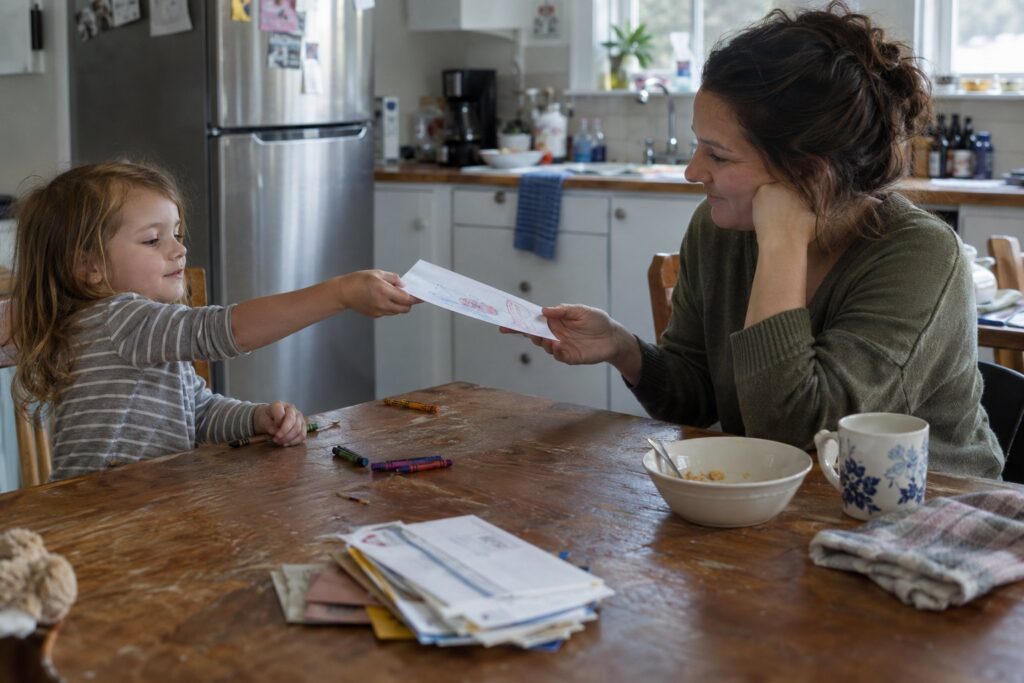
1. Make a “thank you for…” picture
You need: Paper and crayons.
Pick someone your child knows who recently did something helpful. Help your child remember what that person did: “Grandpa fixed the wheel on your truck. What could we draw for him?”
Your child might draw the truck, dictate a sentence, or cover the page in purple circles. Write down their words, if they want you to.
Try saying: “You remembered something he did for you. Shall we give him your picture together?”
For a younger child, you can offer a choice: “A truck picture or a purple picture?” An older child might finish the sentence, “Thank you for…” Ask whether they’d like to deliver the picture or send a photo of it.
2. Open a tiny helping desk
You need: One safe household task.
Announce that your family’s helping desk is open. Each person can request one small, manageable favor: bringing a napkin, finding a book, or putting a cushion back on the couch.
Give your child a turn to ask for help, too. They might ask you to reach a book or help find a missing toy.
Try saying: “I could use a helper with these napkins. Would you like to carry two?”
If the answer is no, carry on without a lecture. Later, your child can choose another job. Choose tasks they can do safely, with no hot drinks, sharp tools, or climbing to retrieve something.
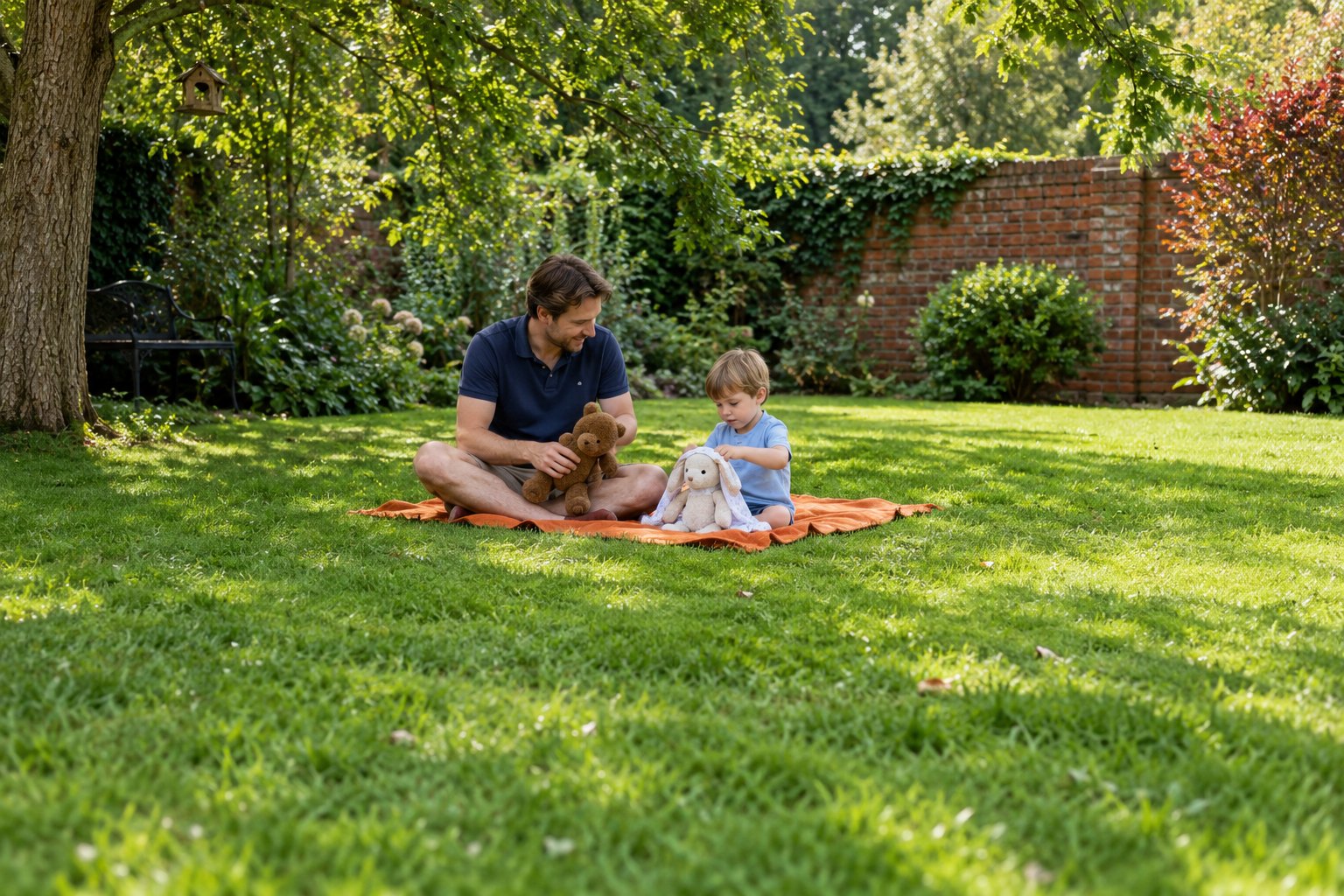
3. Give a toy two different wishes
You need: Two stuffed animals or toy figures.
One toy wants company. The other wants a quiet moment. Let your child decide how each could be treated kindly.
Perhaps Bear would like a seat beside Rabbit, while Rabbit wants to finish a pretend nap. The two toys need different things, so ask your child what might help each one.
Try saying: “Bear wants to sit with us. Rabbit wants some space. What could we do for each of them?”
ZERO TO THREE describes empathy as responding with care while recognizing that other people can have different feelings. Playing with toys lets you talk about those differences when nobody is upset or waiting for a turn.
4. Build a welcome place
You need: Blocks, paper, or a few toy figures.
Make a pretend picnic, bus, or playhouse. Then introduce another toy: “Someone new has arrived.” What would help the newcomer join in?
Your child could make an extra seat, explain the game, or offer two places to sit. Practice a short invitation together: “Would you like to play?”
Let the visitor say, “Maybe later,” sometimes. Practice accepting that answer and continuing the game.
For more real-life conversation ideas, try our guide to helping your child make friends.
5. Plan a comfort menu
You need: A piece of paper, if you’d like to draw the choices.
Ask your child what they sometimes like when they’re having a hard moment. Sitting nearby? A favorite song? Quiet? Draw two or three possibilities.
Then swap roles and let them ask you. Make sure your answers aren’t all the same as theirs.
Try saying: “I like company when I’m upset, but you sometimes like space. We can ask instead of guessing.”
Keep this playful and use a calm moment. Your child isn’t responsible for fixing an adult’s feelings. You’re helping them get comfortable asking, “Would you like company, or a little space?”
6. Be kindness detectives
You need: An ordinary moment at home or a familiar storybook.
Look for one considerate action: someone moved a bag out of the way, brought an extra chair, or waited while another person finished speaking.
Try saying: “You moved your boots so I could get past. That helped.”
Keep it descriptive, rather than announcing who is the “nicest” person. Your child can spot something you did, too.
PBS KIDS for Parents recommends noticing kindness and talking about it. You don’t need to turn every moment into a lesson. Mention something when you notice it, then let your child get on with playing.
7. Rehearse a small repair
You need: A few blocks or a sheet of drawing paper.
In a pretend scene, knock over a small block fence or crumple your own drawing. Then wonder aloud what you could do next.
Try saying: “Oops, I knocked it over. I can help rebuild it. Would that help?”
Let your child choose a repair: straighten the paper, rebuild together, or offer fresh supplies. Keep the problem imaginary; don’t deliberately damage their work.
You can say “I’m sorry” as you help put things right. That gives your child an example of both the words and the action that can follow a mistake.
Pick one little thing for this week
Print our One Little Kindness practice card and choose an activity together. Leave space to draw or talk about what happened, rather than awarding points for being “good.”
If your child loses interest, put the card aside and try another day. You can also practice without it. The next time someone needs a hand at home, invite your child to help with one small part.
For more playful practice, explore the free activities in our Mini Manners parent resources.
Further reading
- Teaching Children to Be Kind and Practice Compassion: PBS KIDS for Parents
- How to Help Your Child Develop Empathy: ZERO TO THREE
Practice it together
One printable page to keep the ideas close at hand.


