If you feel like you are constantly reminding your child to say “please” or “thank you,” you are certainly not alone.
The reality is that children rarely learn manners through correction alone.
Good manners are developed through consistency, modeling, and daily practice.
Children Learn by Watching
Children absorb behavior constantly.
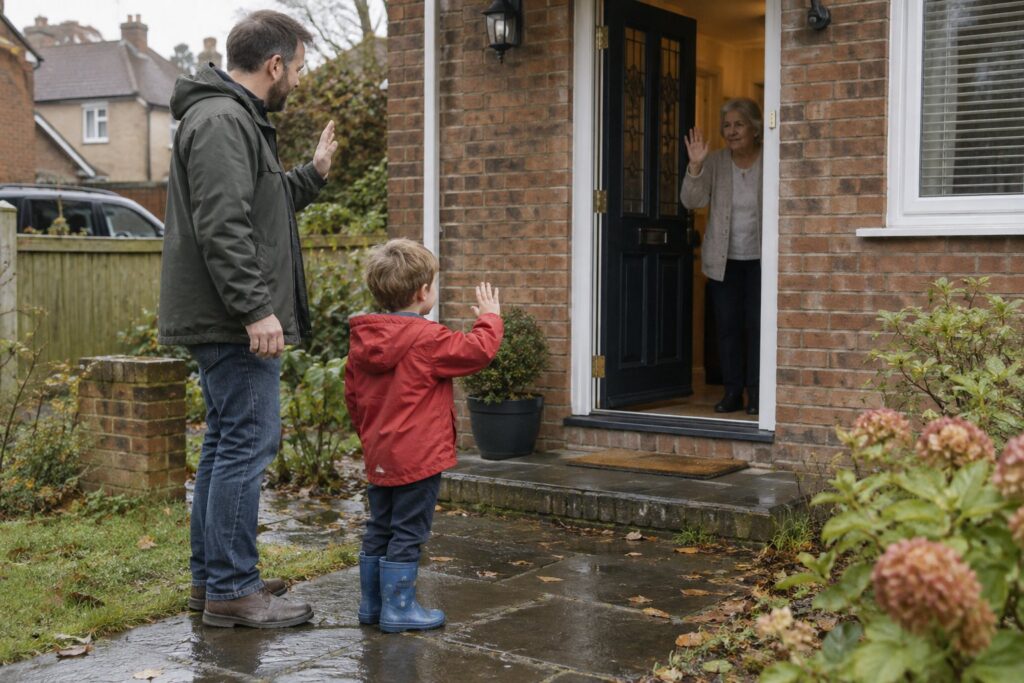
They notice how adults speak to servers, greet neighbors, handle frustration, and communicate at home.
Modeling polite behavior yourself is often far more effective than repeated reminders.
Create Opportunities to Practice
Manners become natural when children regularly practice them in real situations.
Simple moments help build confidence:
• Greeting guests
• Ordering politely at restaurants
• Participating in family meals
• Taking turns in conversation
Everyday life provides countless opportunities for learning.
Correct Gently
Constant criticism can make manners feel stressful rather than natural.
Instead of repeatedly saying “Don’t interrupt,” try calmly guiding with phrases such as:
“Let’s wait until they finish speaking.”
Gentle correction teaches children social awareness without embarrassment.
Confidence and Manners Go Together
Polite children are not necessarily perfect children.
What often stands out most is their ease and confidence in social situations.
Good manners help children feel comfortable interacting with others, which naturally strengthens communication and self-confidence over time.
Manners Are Built Gradually
Teaching children etiquette is not about creating rigid behavior.
It is about helping them become thoughtful, kind, and socially aware.
Over time, those small daily habits become lifelong skills that help children move through the world with confidence and ease.
For additional advice in building children’s confidence and social skills, visit The Mini Manners Show on YouTube for a fun, educational show teaching toddlers and kids real-life manners, kindness, and social skills.