If your home features a daily symphony of “Mom! Mom! Look! Listen! Mom!” interrupting your every conversation, you are in excellent company.
Impulse control is one of the biggest developmental hurdles for young children. When a preschooler has an idea, it feels incredibly urgent, and the concept of waiting for someone else to finish speaking feels nearly impossible. However, learning how to pause before speaking is one of the most critical social-emotional skills a child can bring into a classroom. It’s the foundation of true empathy and active listening.
We can help our little ones learn the natural rhythm of conversation without making them feel silenced.
1. Establish the “Pause, Listen, Share” Rhythm
Instead of simply telling a child “Don’t interrupt,” give them a proactive, three-step rhythm to follow. When they have something burning to say while you are speaking to someone else, guide them gently:
- Pause: Take one deep breath to hold the thought.
- Listen: Wait until the other person’s voice stops completely.
- Share: Now it’s your turn to bring your idea into the circle.
2. Introduce a Silent “Signal”
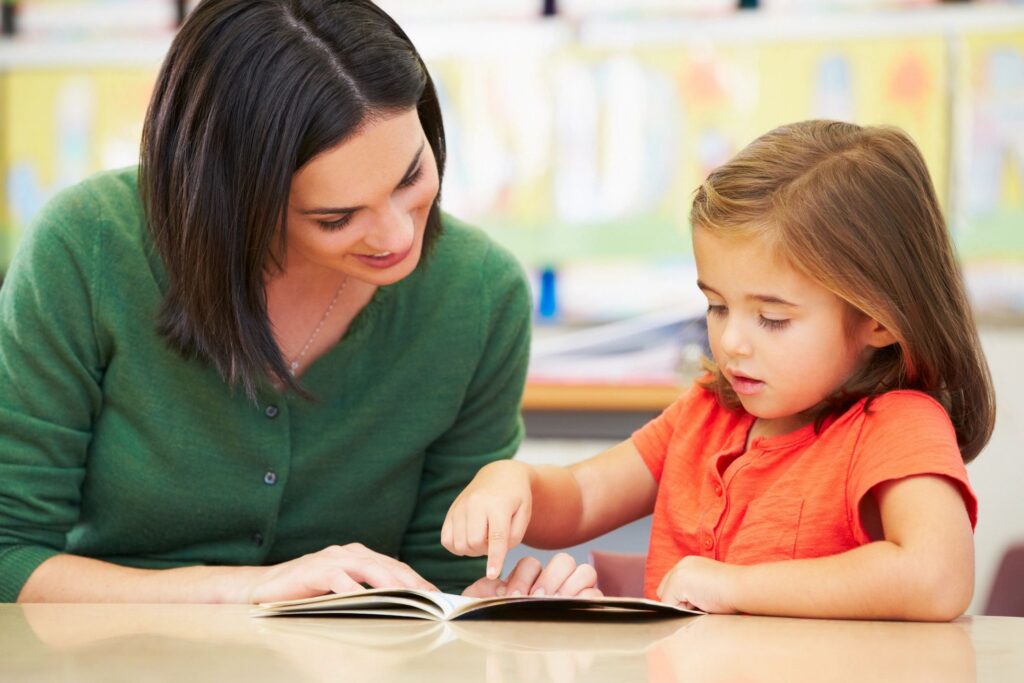
For children ages 3 to 6, a physical touch can act as a wonderful bridge when they are struggling to wait. Teach your child that if you are speaking to another adult or a sibling, they can come over and gently place their hand on your wrist or shoulder.
By placing your hand over theirs, you silently signal: “I know you are there, I know you have something important to say, and I will give you your turn the absolute second this sentence is finished.” It acknowledges their presence instantly without stopping the current conversation.
3. Use the Family Dinner Table as a Low-Stakes Practice Zone
The dinner table is the perfect arena for playful social practice. Try using a physical object, like a favorite small toy or a fun cup, as a “storyteller’s token.”
Whoever is holding the token has the floor to share a small win from their day, while everyone else practices active listening. When they are done, they choose who to pass it to next. This turns conversational turn-taking into a tangible, rewarding game that emphasizes a beautiful truth: everyone’s voice matters, and waiting makes space for everyone to shine.
For a playful way to help your child understand this concept, check out the How to Teach Kids Patience, Turn-Taking, and Sharing Video. This episode uses relatable, real-life examples to help children understand how managing big feelings and taking turns makes everyday interactions much more fun for everyone.