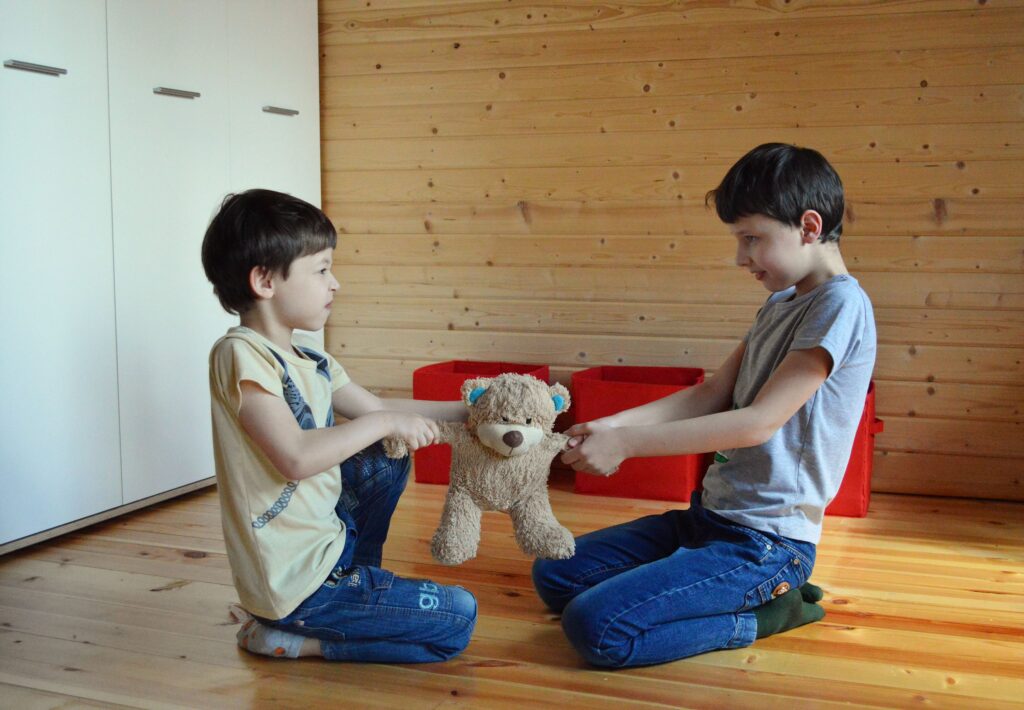
If you are a parent, caretaker, or educator, you have likely heard the piercing, high-pitched refrain of “It’s not fair!” echo through your home or classroom. Whether it’s sparked by who got the blue cup, who gets to press the elevator button, or why an older sibling gets a later bedtime, this phrase has a unique way of grinding down a parent’s patience.
When kids say “it’s not fair,” our natural adult instinct is to respond with logic. We want to explain the rational, fair reason behind our decision. Or, when pushed to our absolute limit, we might drop the classic line: “Well, life isn’t fair!”
The problem? Neither approach actually works. To truly solve this behavioral hurdle, we have to look beneath the surface at what our children are actually trying to tell us.
The Psychology Behind “It’s Not Fair!”
When a child screams about unfairness, they are rarely talking about objective justice. In the developing brain, “fair” is simply the word they use to translate a big, messy, uncomfortable emotion: disappointment.
Young children are naturally egocentric. They view the world entirely through the lens of their own immediate wants and needs. When their reality doesn’t match their expectations, it triggers a mini-grief response. Because they lack the advanced emotional vocabulary to say, “I am feeling deeply disappointed and envious that my sister has something I want,” it comes out as a protest against the injustice of the universe.
By shifting your approach from defending your logic to managing their disappointment, you can stop the power struggle before it spirals into a full-blown meltdown. Here is your three-step game plan:
1. Validate the Feeling (Not the Complaint)
When we immediately argue with a child’s perception of fairness, they feel misunderstood, which usually makes them double down and scream louder. Instead, separate the emotion from the facts. Acknowledge their internal experience first. This lowers their defense mechanisms and co-regulates their nervous system.
- Instead of: “It is fair! You got the exact same amount of juice, so stop crying.”
- Try: “It’s really hard when you want something and it doesn’t happen the way you pictured it. I get why you’re feeling upset right now.”
2. Differentiate Between “Equal” and “Fair”
Children often mistakenly believe that “fair” means identical. Take the time to teach them the real definition during a calm, happy moment,not in the middle of a conflict.
Explain that fairness means everyone gets what they need to be happy, safe, and healthy, which is rarely identical.
The Band-Aid Analogy: Ask your child, “If your brother scrapes his knee, do I give both of you a Band-Aid? No, because only his knee is hurting. Giving him a Band-Aid is fair because it’s what he needs, even if you don’t get one.”
Apply this to everyday triggers like bedtimes, screen time, and clothing choices.
3. Implement the “Next Time” Technique
When a child is stuck dwelling on an immediate disappointment, their brain is locked in the present moment. You can help them transition out of that emotional loop by shifting their focus toward a concrete, predictable future event. This builds emotional regulation, resilience, and patience.
- Example: “Your brother got to pick the radio station today because it was his turn. Next time we get in the car on Thursday, it will be your turn, and you can pick whatever song you want. Let’s write that down on our calendar right now so we don’t forget.”
By changing the narrative from a battle over justice to an exercise in managing disappointment, you teach your children vital emotional intelligence skills that will serve them for the rest of their lives.
Navigating these high-emotion moments isn’t about ensuring perfect equality in every single situation, it’s about giving your child the tools to process big feelings with confidence and grace. As you guide them through understanding fairness, you are also laying the foundation for stronger, healthier social connections. For more tips on nurturing your child’s emotional growth and relationship-building abilities, check out our guide on how to help your child make friends.