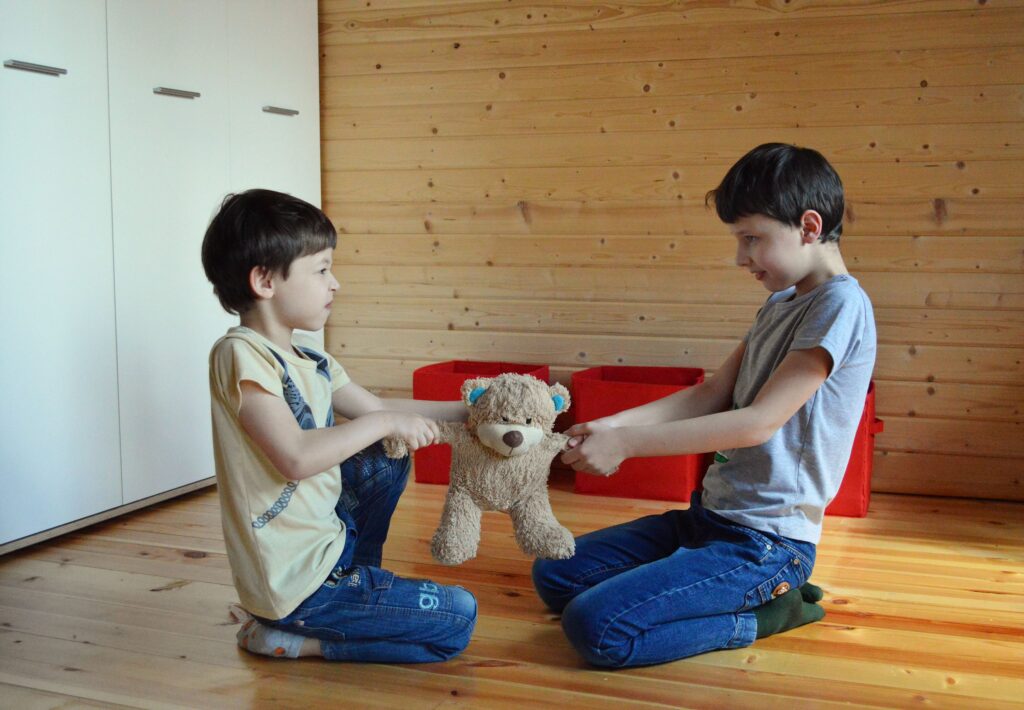
Empowering a child to set boundaries is a core lesson of modern parenting and social development. While we often focus on teaching children to say “please” and “thank you,” teaching them how to say “no” is just as significant. When a child learns to decline an offer or a request with grace, they develop self-confidence and a healthy sense of autonomy.
Here is how to guide your child through the etiquette of a polite refusal, ensuring they feel empowered while remaining respectful.
1. The Importance of the “Polite No”
Teaching a child to say “no” is not about encouraging defiance. Instead, it is about giving them the tools to navigate social pressures. Whether they are declining a second helping of food, opting out of a physical hug, or saying no to a peer’s request, a polite refusal allows them to honor their feelings without being rude to others.
2. Modeling the Behavior
Children learn primarily by observing the adults in their lives. You can model this by using polite refusals in your own daily interactions.
- At the Dinner Table: “No thank you, I have had enough, but the meal was wonderful.”
- With Requests: “I would love to help, but I am unable to commit to that right now.”
When your child sees that a “no” can be delivered calmly and kindly, they will feel more comfortable mirroring that behavior.
3. Practical Phrases for Children
Provide your child with a “social toolkit” of phrases they can use in different scenarios. This removes the stress of trying to find the right words in the moment.
- Declining Food: “No thank you, I am full.”
- Personal Space: “No thank you, I would prefer a high-five instead of a hug.”
- Peer Pressure: “No thank you, I am not comfortable doing that.”
4. The Body Language of Confidence
Etiquette is as much about how we stand as what we say. Encourage your child to use “confident body language” when saying no:
- Eye Contact: Looking the person in the eye shows sincerity and strength.
- Clear Tone: Use a steady, indoor voice rather than a whisper or a shout.
- Posture: Standing tall helps a child feel more grounded in their decision.
5. Validating Their Choice
When your child successfully uses a polite refusal, acknowledge it. Positive reinforcement helps them understand that their boundaries are respected. If they say “No thank you” to a relative offering a treat, support that choice rather than forcing them to accept it to be “nice.” This builds the foundation for healthy boundaries in adulthood.
Teaching these skills early ensures that as children grow, they can navigate complex social situations with both kindness and conviction.